
Child Therapy in Littleton, Colorado
Therapy Looks Different for Kids—
and That's a Good Thing
Parents are often surprised to discover that therapy with children doesn't look like therapy with adults. Instead of sitting on a couch and talking about their feelings, children communicate through play, creativity, movement, and relationships.
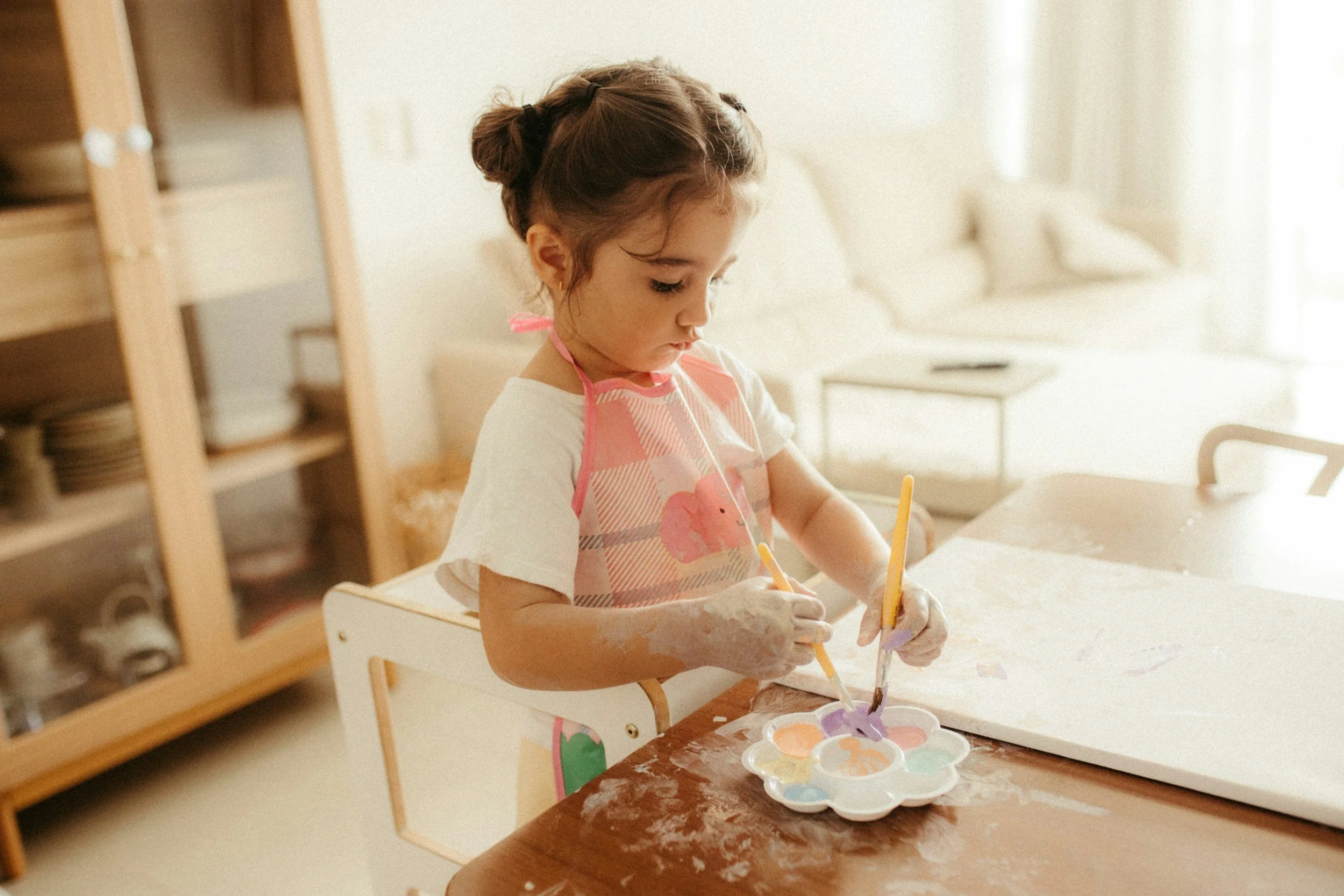
Play is a child's natural language. Just as adults often process their experiences through conversation, children make sense of their thoughts, emotions, and relationships through play. That's why therapy with children is designed to meet them where they are developmentally—creating opportunities for growth in ways that feel safe, engaging, and natural.
At Good Insight Child & Family Wellness, I believe children have an incredible capacity to heal, grow, and thrive when they experience acceptance, curiosity, and authentic connection. My role is not to "fix" a child, but to create a therapeutic relationship where they feel safe enough to explore their experiences, understand their emotions, and develop new ways of relating to themselves and others.
What Is Play Therapy?
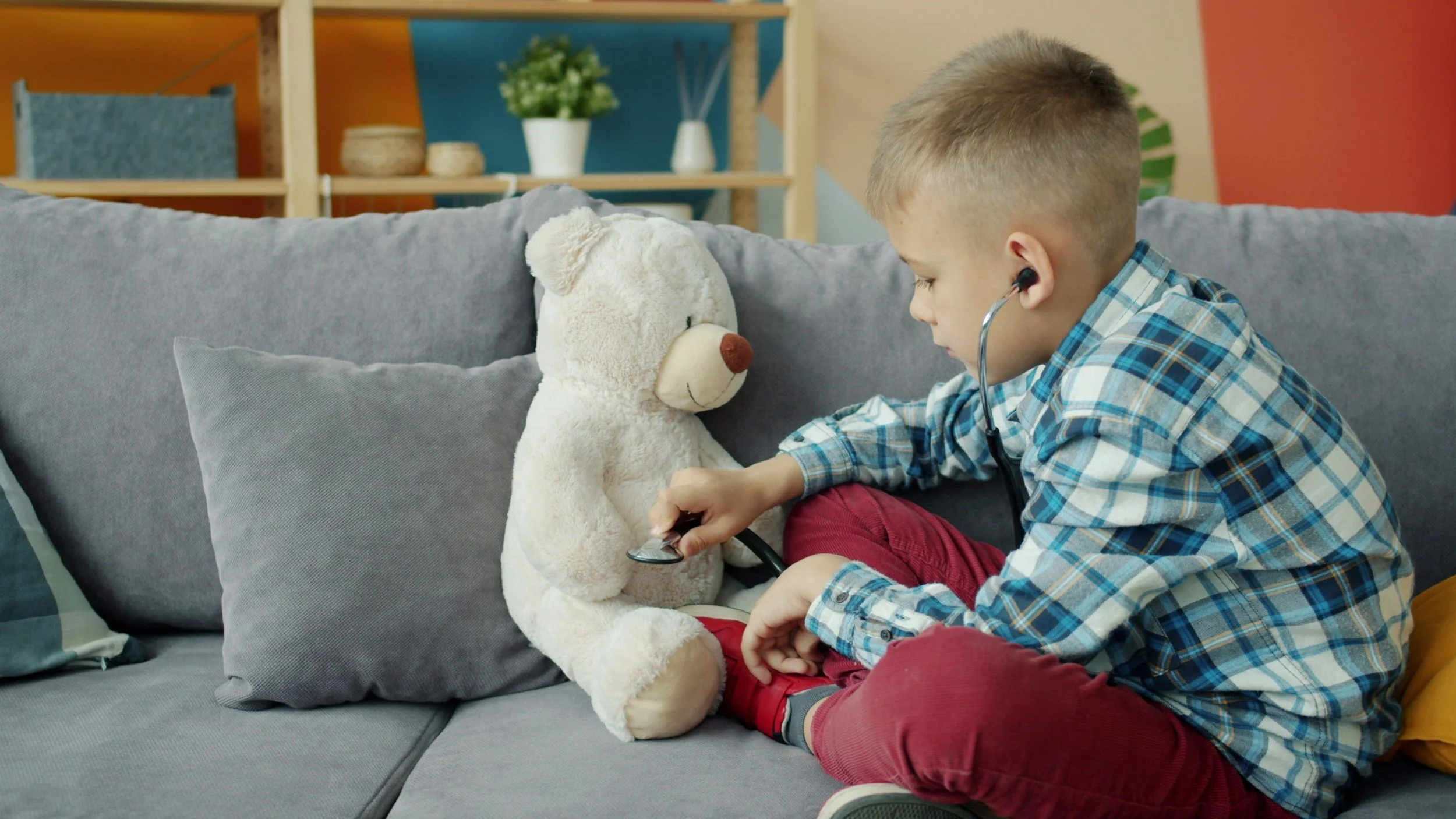
Play therapy creates a safe, supportive environment where children can express themselves in ways that words alone often cannot. Through toys, art materials, games, stories, and imaginative play, children communicate their inner experiences while building the emotional and relational skills they need to navigate life with greater confidence.
My approach integrates Child-Centered Play Therapy and Synergetic Play Therapy. Rather than directing a child's play, I follow their lead while helping them increase emotional awareness, regulate their nervous system, and make sense of what they're experiencing. As children feel understood and supported, they naturally develop greater confidence, resilience, and emotional flexibility.
What Is Sand Tray Therapy?
Sometimes words aren't enough to express what's happening inside. Sand tray therapy offers children, teens, and even adults a creative, hands-on way to explore emotions, experiences, and relationships that may be difficult to put into words.
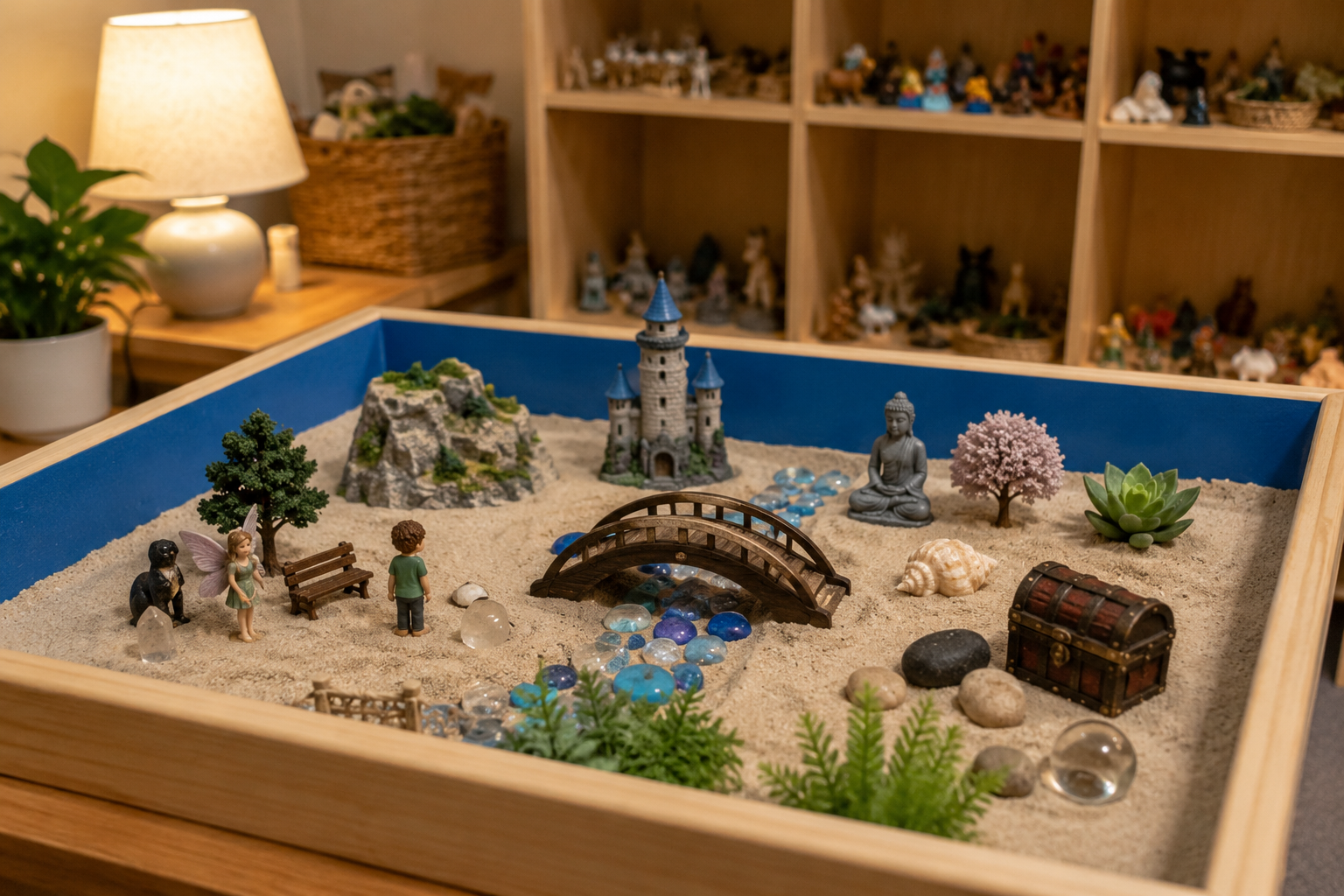
Using a tray of sand and a collection of miniature figures, clients create scenes that reflect their inner world. There is no right or wrong way to build a sand tray. The process allows thoughts, feelings, and experiences to emerge naturally, often leading to meaningful insight in a way that feels safe and non-threatening.
I don't interpret or assign meaning to what is created. Instead, I approach each sand tray with curiosity and respect, trusting that each client is the expert on their own experience. Together, we explore the stories, emotions, and patterns that emerge, creating opportunities for deeper self-understanding, emotional growth, and stronger relationships.
Parents Are an Essential Part of the Process
One of the most important things to know about therapy with children is that lasting change doesn't happen only during a 50-minute session each week. Children grow within relationships, and the relationships they experience at home have the greatest influence on their long-term well-being.
That's why I partner closely with parents and caregivers throughout the therapy process. Together, we'll explore what your child is communicating through their behavior and emotions, strengthen your understanding of their needs, and develop practical ways to support their growth outside of the therapy room.
My goal is to help children gain insight into themselves while helping parents gain insight into their children—creating stronger connections, healthier communication, and lasting wellness for the whole family.
What Can Therapy Help With?
Play therapy and sand tray therapy can support children and teens who are experiencing:
Anxiety and excessive worry
Depression or persistent sadness
Trauma and difficult life experiences
Emotional regulation challenges
Neurodiversity, including ADHD and autism
Grief and loss
Divorce and family transitions
Friendship and social challenges
Self-esteem and identity development
Life changes that feel overwhelming
Every child is unique, and therapy is tailored to meet them where they are. Whether your child is navigating a specific challenge or simply needs additional support, therapy provides a safe relationship where insight grows, confidence develops, and families learn to thrive together.
Frequently Asked Questions
-
While therapy isn't always easy, my goal is to create a space where children feel safe, accepted, and genuinely enjoy coming. Through play, creativity, curiosity, and authentic connection, many children begin to see therapy as a place where they can be themselves without fear of judgment.
-
Parents are an essential part of the therapy process. Children grow within relationships, and the relationships they experience at home have the greatest influence on lasting change.
While your child will have space to develop their own relationship with me, I'll also partner with you to better understand your child's emotional world, strengthen communication, and identify practical ways to support their growth at home.
-
Progress in therapy isn't always measured by the absence of difficult emotions. Instead, it often shows up in the small, meaningful changes that happen over time.
You might notice your child becoming more flexible when things don't go as planned, expressing emotions more appropriately, recovering more quickly from difficult moments, communicating their needs more effectively, or feeling more confident in themselves and their relationships.
We'll regularly check in about your child's progress, celebrate successes, and adjust our approach as needed. Because lasting change happens both in and outside of the therapy room, we'll work together to support your child's growth at home as well.
-
This is one of the most common concerns parents have, and it's completely understandable. Many children feel uncertain about therapy simply because it's new or they aren't sure what to expect.
Rather than expecting children to open up right away, I focus first on building a trusting relationship. I meet children where they are, follow their lead, and create a space where they feel safe, accepted, and genuinely seen. As that relationship develops, most children become more comfortable engaging in the therapeutic process.
It's also important to remember that therapy isn't about forcing change—it's about creating an environment where growth feels possible.

Ready to Learn More?
If you're wondering whether therapy is the right next step for your child, you don't have to figure it out alone. Let's start with a free 15-minute phone consultation. We'll talk about your concerns, answer your questions, and explore whether I'm the right fit for your child and your family.
Call or text (720) 460-0990 to schedule you phone consultation today!